Friday, February 04, 2022

COVID and Missions


There is no question that the COVID-19 pandemic has had a profound impact on world missions.  The global church has been stifled because of this disease as they have been locked down or activities curtailed throughout the world.  In my case, as a teacher and trainer in cross-cultural church planting for the national church, the opportunities to work overseas continue to be more than challenging and not a little bit frustrating. 


One of the most devastating effects of the pandemic is the division it has caused between those of differing opinions about the virus.  Those who resist vaccines and wearing of masks are labeled as uneducated “science deniers,” while the proponents of such measures are dubbed by the former as extreme Branch Covidians or Covidianites.


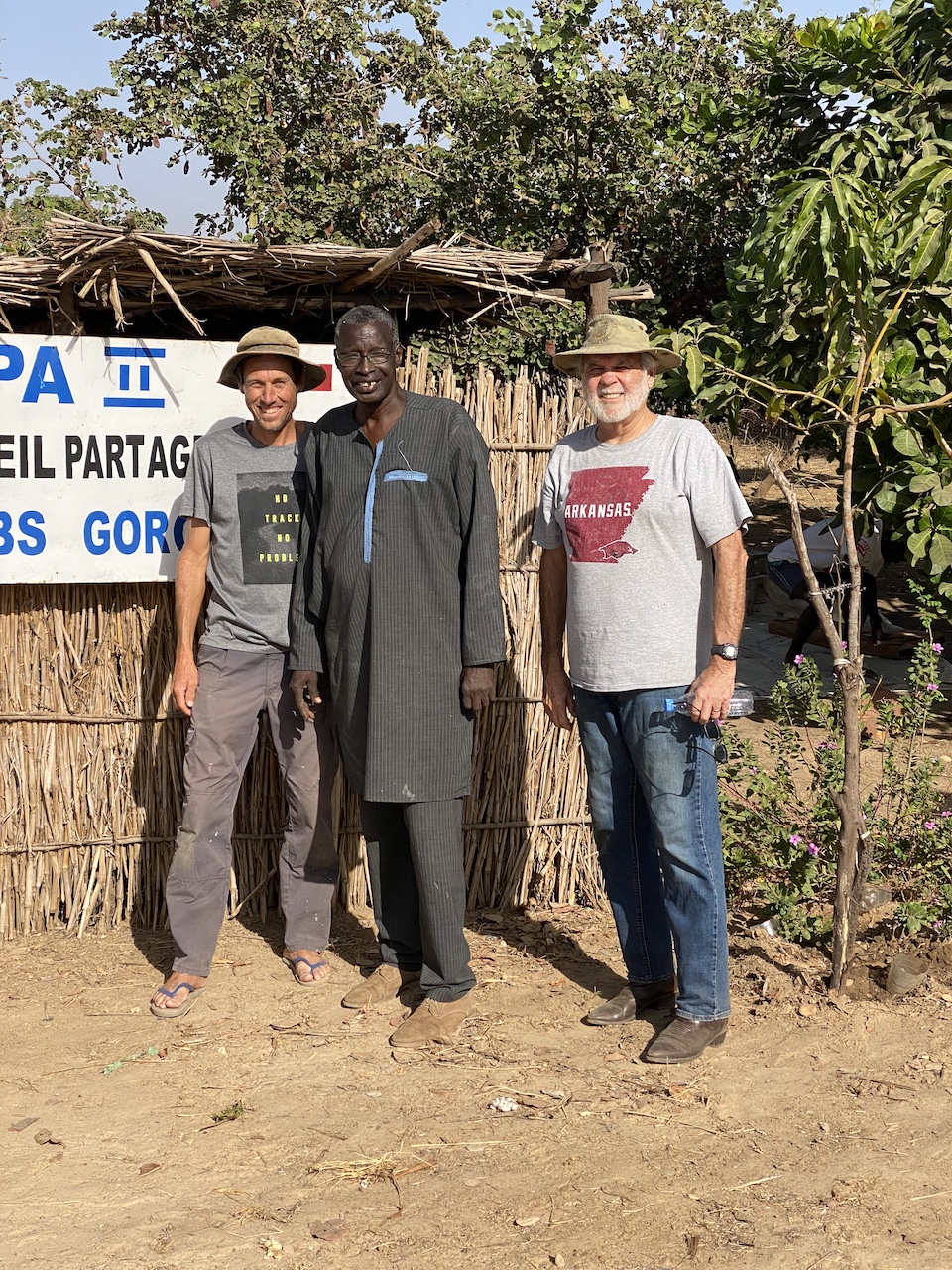
On my recent trip to Senegal, I was struck by how the division of opinion of COVID has affected even the missionary community.  Let me set the stage…Senegal is about 17 million in population.  In the over two years of Corona, they have had less than 85,000 cases of COVID and less than 2,000 deaths.  Granted, they don’t have testing sites in every village or on every corner of the city and they certainly don’t have home testing kits.  Though the government requires masks in certain venues, it’s not mandated, and walking the streets of Dakar or Mbour you would hardly know there was a virus.  In the villages and countryside, Corona is something they have heard about but has little to no effect on daily living. 


How COVID has impacted missions is the effect it has WITHIN the mission community.  Primarily from North America and Europe, it is the ex-pat neighborhood that suffers the same division of opinion on COVID as those from their homeland and how to deal with the virus.  I was surprised that if some missionary or family member had a scratchy throat or a felt “flush,” they immediately went for a COVID test.  If they tested positive, they self-quarantined and some of them haven’t left the house in two weeks!  On the other side of the pandemic perspective, there are missionaries living life as though there was no such thing as an omicron, and went to work and engaged in the community as normal.  If they did feel a bit sluggish they would just take an aspirin, and taking a “test” wouldn’t even cross their mind.  Strange, isn’t it?  People overseas act exactly as they would in their home country.  


When Corona was discovered 24 months ago, the Africans called it a “white man’s disease.”  

Of course, we know that thousands of non-whites have died from COVID and it’s not exclusively a Caucasian condition.  However, I’m beginning to think that the fear and response to this bug has become a national/ethnic identity.  No doubt our enemy is taking advantage of some with the preoccupation of this germ.  However, because God is sovereign, His will is not thwarted and the message of Christ still goes forward.  While Westerners hunker down in place, our national brothers and sisters remain faithful in their service for Him, oblivious to the importance of a swab or a jab.  

Thursday, October 07, 2021

For the Long-Haul

 𝐅𝐨𝐫 𝐓𝐡𝐞 𝐋𝐨𝐧𝐠-𝐇𝐚𝐮𝐥


Last month I was asked to speak to a group of missionaries on the subject of “𝐥𝐨𝐧𝐠𝐞𝐯
𝐢𝐭𝐲
.”  This group of cross-cultural workers in West Africa were honoring a couple who had just completed 40 years on the field.  In their presence, I felt I was speaking theoretically before those who lived it.  From my perspective, here are the 𝐟𝐨𝐮𝐫𝐤𝐞𝐲 tips necessary for serving long-term on the mission field.


𝐏𝐚𝐬𝐬𝐢𝐨𝐧 …for the work, the people they work with and, of course, for the Lord they serve.  Hardly anyone will stick it out, in any profession, if they are “lukewarm” in their convictions for the task.  Four-hundred and eighty-five years ago yesterday, William Tyndale was strangled and burned at the stake for his passion in translating the Bible into English.  A far cry from the statement I heard from one of my students who said, “If it doesn’t work out, we’ll just come home.”  𝑰𝒕 𝒅𝒊𝒅𝒏𝒕 𝒘𝒐𝒓𝒌 𝒐𝒖𝒕𝒕𝒉𝒆𝒚 𝒍𝒂𝒔𝒕𝒆𝒅 𝒍𝒆𝒔𝒔 𝒕𝒉𝒂𝒏 𝒂 𝒚𝒆𝒂𝒓.  


Missionaries serving many years in another country are those who have a passion that what they do, great or small, and 𝐛𝐞𝐥𝐢𝐞𝐯𝐞 𝐭𝐡𝐞𝐢𝐫 𝐦𝐢𝐧𝐢𝐬𝐭𝐫𝐲 𝐡𝐚𝐬 𝐩𝐮𝐫𝐩𝐨𝐬𝐞 𝐚𝐧𝐝 𝐭𝐡𝐞𝐢𝐫 𝐜𝐚𝐥𝐥𝐢𝐧𝐠 𝐦𝐚𝐭𝐭𝐞𝐫𝐬.  My friends working in secular Europe for over three decades are there in spite of the spiritual coldness because they have a passion to be light in midst of secular darkness.  “How can you live in a country of idols and lost people” a visitor asked my friend in Asia?  The answer is simple, God’s calling on their lives does not hinge on receptivity of the lost, but on the conviction, the passion, if you please, they had when their Lord moved them to that country many years ago.  Those who serve Him for the long-haul are passionate about their work.


𝐆𝐢𝐟𝐭𝐞𝐝𝐧𝐞𝐬𝐬 - In the twelve “gifts” mentioned in the Scriptures, you will not see the gift of being a missionary.  Probably the closest gift, not the office, is the gift of apostleship.  The Apostle Paul had both the office and the gift that is necessary for cross-cultural ministry.  Missionaries, like the twelve apostles, are 𝐭𝐡𝐨𝐬𝐞 𝐰𝐡𝐨 𝐛𝐫𝐞𝐚𝐤 𝐧𝐞𝐰𝐠𝐫𝐨𝐮𝐧𝐝𝐩𝐢𝐨𝐧𝐞𝐞𝐫 𝐢𝐧𝐭𝐨 𝐧𝐞𝐰 𝐭𝐞𝐫𝐫𝐢𝐭𝐨𝐫𝐲 𝐚𝐧𝐝 𝐡𝐚𝐯𝐞 𝐚 𝐩𝐚𝐬𝐬𝐢𝐨𝐧 𝐭𝐨 𝐝𝐨 𝐰𝐡𝐚𝐭 𝐦𝐚𝐧𝐲 𝐩𝐞𝐨𝐩𝐥𝐞 𝐚𝐫𝐞 𝐧𝐨𝐭 𝐰𝐢𝐥𝐥𝐢𝐧𝐠 𝐨𝐫 𝐮𝐧𝐚𝐛𝐥𝐞 𝐭𝐨 𝐝𝐨.  


There used to be a rather derogatory remark in church circles when I went out as a missionary that went something like this… “If you can’t be a pastor, you can always be a missionary.”  I love pastors and I honor their ministries, but it could be equally said, “𝐈𝐟 𝐲𝐨𝐮 𝐜𝐚𝐧𝐭 𝐛𝐞 𝐚 𝐦𝐢𝐬𝐬𝐢𝐨𝐧𝐚𝐫𝐲𝐲𝐨𝐮 𝐜𝐨𝐮𝐥𝐝 𝐚𝐥𝐰𝐚𝐲𝐬 𝐛𝐞 𝐚 𝐩𝐚𝐬𝐭𝐨𝐫.”  Those who have a long shelf-life on the mission field is due to the fact they are gifted for that task.


𝐍𝐢𝐜𝐡𝐞 – I have always believed that the reason many people don’t survive on the mission field is because they have never found their niche, their nook, in service.  Not everyone can do the work of an evangelist or church planting.  Those who have the gift of hospitality can bring as many people to know Christ as those who stand up and preach.  In fact, in places where people are resistant to the Gospel, those who are hospitable and who make friends can be much more effective in telling people about our Lord.  You can call it “job satisfaction,” if you like, but serving Christ in the area where we are gifted, in all areas of life, is the key to longevity. 


𝐏𝐮𝐦𝐩 𝐭𝐡𝐞 𝐁𝐫𝐞𝐚𝐤𝐬 – If a missionary makes it through 𝐟𝐢𝐟𝐭𝐞𝐞𝐧 𝐲𝐞𝐚𝐫𝐬 on the field, barring sickness or political unrest, they will probably be there throughout their career.  Until that time, cross-cultural workers will struggle with language and culture.  𝑪𝒖𝒍𝒕𝒖𝒓𝒆 𝒔𝒕𝒓𝒆𝒔𝒔 𝒊𝒔 𝒂 𝒓𝒆𝒂𝒍 𝒕𝒉𝒊𝒏𝒈.  A missionary will always be a foreigner, always an outsider.  The easiest and the most common reaction to stress is to head home and call it quits.  But it doesn’t have to be that way.  From time-to-time, missionaries need to pump the breaks to find equilibrium.  That may be finding place for physical and spiritual refreshment, or being engaged in an activity that is not ministry related. There is absolutely nothing wrong with taking a vacation outside of your country.  If you live in Africa, go to Europe for a few weeks.  If you, live in Europe, go on an African safari.  Go somewhere to escape the cultural weight of being an outsider on your field.  It’s impossible to be on-the-go in ministry 24/7.  Paint, write, play golf or, as my friends in Senegal do, go surfing. Do something that allows you to escape the pressures of daily life in a strange land.  If you pump the breaks from time-to-time, and then you’ll find that when you do get back in the work 𝐲𝐨𝐮 𝐜𝐚𝐧 𝐬𝐭𝐞𝐩 𝐨𝐧 𝐭𝐡𝐞 𝐠𝐚𝐬 𝐫𝐞𝐟𝐫𝐞𝐬𝐡𝐞𝐝 and energized for the good work God has called you to.


I met a missionary in South America who was well past retirement age and had lived in Bolivia for over forty years.  When I asked him if he ever thought about returning to the states his answer was simple.  “Why would I do that?” he said wryly.  “My siblings live in Florida, but I have no real ties to the U.S. anymore.  We bought a little hacienda here a few years back and, though I am physically unable to work in ministry like I used to, I still meet with our pastors and church leaders often, mentoring and encouraging Christians every day.  No, I don’t think about going back to the states.  I’m content to have coffee with friends here each day, serving the Lord here until He calls me home.”


Serving overseas is not for the fainthearted, but those who make missions a career, 𝐢𝐭𝐬 𝐚 𝐫𝐢𝐜𝐡 𝐚𝐧𝐝 𝐫𝐞𝐰𝐚𝐫𝐝𝐢𝐧𝐠𝐥𝐢𝐟𝐞.


(Pictured – Marjorie Browning, served in Brazil for over 40 years, murdered in 2014).

Sunday, January 03, 2021

Will 2020 Be The Good Old Days?


New Year Resolution

𝟚𝟘𝟚𝟙 ℝ𝔼𝕊𝕆𝕃𝕌𝕋𝕀𝕆ℕ
No doubt there will be many posts today expressing good riddance to 2020. Truly, it’s been an ugly year.
However, it’s very possible in 2021 we will look back at 2020 as "𝒕𝒉𝒆 𝒈𝒐𝒐𝒅 𝒐𝒍𝒅 𝒅𝒂𝒚𝒔." Why? Because of the continual inordinate fear in this world, cruelty, political power grabs, spitball science, medical profiteering, media manipulation and scare tactics, shaming and neurosis. I do hope I’m wrong, but I am dubious.
Speaking with a friend of mine in Delhi yesterday he said there are two types of people he interacts with, the “𝗰𝗮𝘂𝘁𝗶𝗼𝘂𝘀,” and the “𝗼𝘃𝗲𝗿𝗹𝘆 𝗰𝗮𝘂𝘁𝗶𝗼𝘂𝘀” as it relates to the CV. That pretty well sums it up for people I know as well. (The over cautious are the guys I saw in the Paris airport in September. I’m pretty sure that some people I know here in the states would do the same if the CDC told them such outfits would “slow the spread” of the virus.) There may be some people who are callous, but I really haven’t met anyone like that. Being skeptical doesn’t make one hard-hearted, just one who is leery of drinking the socially accepted and humanistic Kool-Aid.
My resolution for 2021 is Psalms 90:12, putting into the personal pronoun “(𝑳𝒐𝒓𝒅) 𝑻𝒆𝒂𝒄𝒉 𝒎𝒆 𝒕𝒐 𝒏𝒖𝒎𝒃𝒆𝒓 𝒎𝒚 𝒅𝒂𝒚𝒔, 𝒕𝒉𝒂𝒕 𝑰 𝒎𝒂𝒚 𝒈𝒂𝒊𝒏 𝒂 𝒉𝒆𝒂𝒓𝒕 𝒐𝒇 𝒘𝒊𝒔𝒅𝒐𝒎.” Meaning…we need God to reveal to us the brevity of life. That revelation will help us grow wise, and 𝐰𝐢𝐬𝐝𝐨𝐦 𝐢𝐬 𝐢𝐦𝐩𝐨𝐫𝐭𝐚𝐧𝐭 𝐛𝐞𝐜𝐚𝐮𝐬𝐞 𝐭𝐡𝐞 𝐜𝐡𝐨𝐢𝐜𝐞𝐬 𝐰𝐞 𝐦𝐚𝐤𝐞 𝐝𝐮𝐫𝐢𝐧𝐠 𝐨𝐮𝐫 𝐛𝐫𝐢𝐞𝐟 𝐬𝐭𝐚𝐲 𝐨𝐧 𝐞𝐚𝐫𝐭𝐡 𝐡𝐚𝐯𝐞 𝐞𝐭𝐞𝐫𝐧𝐚𝐥 𝐜𝐨𝐧𝐬𝐞𝐪𝐮𝐞𝐧𝐜𝐞𝐬.
I am assuming people know that everyone is going to die. And, since God is sovereign, each one of us will not die one second before His appointed time for us, nor the people we come in contact with. 𝑾𝒆 𝒅𝒐𝒏’𝒕 𝒉𝒂𝒗𝒆 𝒕𝒉𝒂𝒕 𝒑𝒐𝒘𝒆𝒓. 𝑳𝒊𝒇𝒆 𝒂𝒏𝒅 𝒅𝒆𝒂𝒕𝒉 𝒃𝒆𝒍𝒐𝒏𝒈 𝒐𝒏𝒍𝒚 𝒕𝒐 𝑯𝒊𝒎. If I catch the CV and die, I’m quite certain the Lord is not going to be surprised and say to me, “Gee, Richard, I didn’t expect to see you so soon! Did you not wear a mask?”
The overly cautious might tell this story differently. “Richard, I expected to see you here because you didn’t social distance yourself.” No matter how you envision the story, it doesn’t negate God’s sovereignty. 𝗠𝘆 𝘁𝗶𝗺𝗲 𝗮𝗿𝗲 𝗶𝗻 𝗛𝗶𝘀 𝗵𝗮𝗻𝗱𝘀.
Being cautious, but not overly cautious, does not suggest foolishness, reckless behavior or tempting fate, whatever that is (only fatalists believe in fate). I don’t walk down the middle of a road expecting God to protect me from getting hit by a car. Wisdom dictates a balanced approach to life, knowing that there are some things I can control but a whole lot more in life I cannot control.
And how does one get such wisdom to live? Solomon says, “𝙏𝙝𝙚 𝙛𝙚𝙖𝙧 𝙤𝙛 𝙩𝙝𝙚 𝙇𝙊𝙍𝘿 𝙞𝙨 𝙩𝙝𝙚 𝙛𝙤𝙪𝙣𝙙𝙖𝙩𝙞𝙤𝙣 𝙤𝙛 𝙬𝙞𝙨𝙙𝙤𝙢. 𝙆𝙣𝙤𝙬𝙡𝙚𝙙𝙜𝙚 𝙤𝙛 𝙩𝙝𝙚 𝙃𝙤𝙡𝙮 𝙊𝙣𝙚 𝙧𝙚𝙨𝙪𝙡𝙩𝙨 𝙞𝙣 𝙜𝙤𝙤𝙙 𝙟𝙪𝙙𝙜𝙢𝙚𝙣𝙩” (Proverbs 9:10).
I think I understand that. That I am not to fear COVID nor the uncertainties of life, but to fear, respect, be in awe, in submission to the One who created me.
As I write this, another passage of Scripture comes to mind, again, written by Solomon, the wisest man in the world who said, “𝗛𝗲 𝘄𝗵𝗼 𝗼𝗯𝘀𝗲𝗿𝘃𝗲𝘀 𝘁𝗵𝗲 𝘄𝗶𝗻𝗱 𝘄𝗶𝗹𝗹 𝗻𝗼𝘁 𝘀𝗼𝘄, 𝗮𝗻𝗱 𝗵𝗲 𝘄𝗵𝗼 𝗿𝗲𝗴𝗮𝗿𝗱𝘀 𝘁𝗵𝗲 𝗰𝗹𝗼𝘂𝗱𝘀 𝘄𝗶𝗹𝗹 𝗻𝗼𝘁 𝗿𝗲𝗮𝗽” (Ecclesiastes 4:11). 2021 will have a lot of head-winds and no doubt there will be days of dark clouds. If I live my life in the fear of the “𝘄𝗵𝗮𝘁 𝗜𝗳’𝘀,” I will never seize the opportunities God has for me, I will never reap the rewards of living life to the fullest in spite of the obstacles.
My prayer for this new year is that people may know the true and living, all good, all power God. By knowing Him they will have wisdom, which will give them peace, and enjoy life for the days ahead.
𝗛𝗔𝗣𝗣𝗬 𝗡𝗘𝗪 𝗬𝗘𝗔𝗥!

Wednesday, July 29, 2020

Mungu (God) Anajua (He knows)

Mungu Anajua is a delightful term that Kenyans use when they don’t have an answer to something. I asked a father of six how many kids he and his wife were going to have and he shrugged his shoulders and said, “Mungu Anajua” (God knows).


So here we are, at least four-half months into the worldwide pandemic and not much progress has been made in containing the virus, curing it, opening our economy or living a normal life. Why? Because no one has answers and no one has the courage to say, “We don’t know.” Instead we have daily governor briefings to tell us the same thing they said yesterday. They spitball every day with mandates and executive orders hoping it will “flatten the curve,” but they don’t know any more today about how to solve the problem than they did sixteen weeks ago.
Follow the science, people argue, but they ignore the science because it doesn’t fit their narrative that somehow this virus is equal to the bubonic plague. Science tell us that kids rarely catch the disease and maybe they don’t even transmit it, yet we’re going to make little Johnny wear a mask to school or maybe won’t have school at all. Mungu Anajua.
Two things I have learned, maybe three, over the last four months about this pandemic journey:
1. PEOPLE ONLY LISTEN TO WHAT THEY WANT TO HEAR, whether it is about the pandemic, religion (how many times have you heard someone say, “I like to think of God this way”) or politics. Though there is no scientific data that masks slow the virus (please don’t cite the CDC as they have hardly been right about anything), some masked fanatic will pepper spray a father and his son because they didn’t have a face mask on (which happened in California). Or, like me, they think this whole thing is nonsense and still won’t wear a mask no matter what the governor says. We all believe what we want to believe and ain’t nobody going to change our minds!
2. FEAR OF THE HYPOTHETICAL is what drives the behavior of many people, and for me, that is a very sad way to live. As I stated in an earlier post, I worked in a mosquito/malaria part of Kenya for fourteen years. If I lived my life on the “what if’s” I would have never traveled into the bush to establish churches. I wasn’t foolhardy. I took my weekly chloroquine tablet but still wound up in the hospital twice with malaria and dengue fever. If I lived life on the “what if’s” I would have never left Arkansas. The whole world is held hostage to the hypothetical and that is tragic.
3. MUNGU ANAJUA. In the end, the God of the universe and the sustainer of all things really knows about the virus. I don’t know, the experts in white coats have proven they don’t know. The only science I have a little faith in are those who are actually working on a vaccine. But since they still haven’t developed a vaccine for SARS who knows if they will find an effective antidote for COVID-19. Mungu Anajua. Six months to a year from now we will all look back and will have a better picture of this crazy year. Until then, I’m going to live my life according to the Book, “For God hath not given us the spirit of fear; but of power, and of love, and of a sound mind” and say along with my African friends, Mungu Anajua.

Tuesday, June 30, 2020

NOT MY FIRST LOCKDOWN RODEO

This is not the first time in my life when the government told us we were locked down and not to go out of the house.


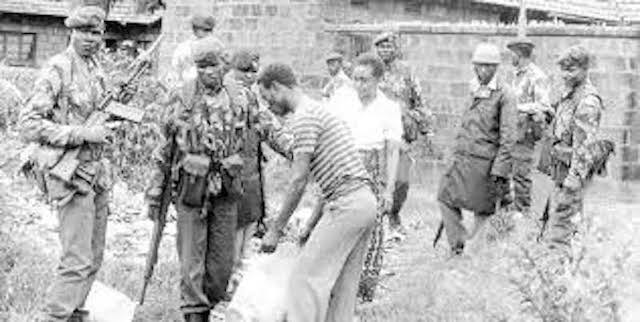
It was Sunday morning August 1, 1982, and, as was our custom as a family, we loaded into our four-wheel Land Cruiser and left early to travel into the bush to preach.  (In those days I preached in three different villages each Sunday, leaving the house around 8 a.m. and getting back home before dark at 7 p.m.)  We noticed that there were a lot of army vehicles on the road, but had no clue what was going on.  When we arrived at our first village, pastor Gichuki was shocked to see us.


“You need to return home immediately,” he said.  “There is a military coup taking place right now.  Return to your home and lock the gate and yourself in the house.” 


Arriving home an hour later, I tuned into the BBC radio as the Voice of Kenya had been taken over by the rebels.  Comparatively speaking, it was a minor uprising lasting only a week, with 100 soldiers killed and 200 civilians, including non-Kenyan’s.  It was nevertheless a tense moment that could have turned ugly and I, of course, was concerned for my wife and young daughters.


A military coup lockdown and COVID-19 lockdown both have similar and obvious dissimilar characteristics, but it all centers around the concept of CONTROL, POWER, FORCE and LEGITIMACY, which I cover in my class in cultural anthropology.


Richard Newbold Adams in Energy & Structure: A Theory of Social Power provides these definitions.


1) CONTROL is a NON-RECIPROCAL relationship in the sense that it exists between a person and some structure or system within the society which DEMANDS compliance.  In other words, we have no choice, we must acquiesce.  Kim Jong Un, the despot of North Korea, has total control over the people in his country. They don’t have a voice; they don’t have a vote.  The IRS is another example of control.  As a citizen of the United States, I cannot negotiate how much I want to pay in taxes.   I may look for ways to reduce my taxes through deductions, but I still have to pay taxes or the government will seize what I don’t want to pay.


2) POWER is a social relationship that rests on the basis of some pattern of controls and RECIPROCITY, i.e., a person or institution may have power over an individual, but it is within the judgment of that person if they will respond to that power based on their own needs.  The outcome is not total control but perhaps enough control to determine success or failure.  The question is, how much power do they have to control?


The pandemic lockdown instituted around the world is, for the most part, contrived by politicians.  They have power but some of them think, or would like to think, they have control over the nation/state/city, but in reality, they only have as much control as the people allow them to have.  In the beginning of the pandemic most people were willing to stay-in-place, but over time the population began to rebel against the power of the authorities.  Even as of this writing, some politicians would like to control the behavior of the population, mandating masks and delaying school openings, limiting crowds to beaches, going to church etc., because the cases of COVID is increasing…though the fatalities of the disease continues to decrease.


FORCE is the exercise of control, not power.  Force does not recognize reciprocal action.  The stronger the force, the more control.


As the rebels of Kenya tried to force their way into power, so, too, are some protestors in this country making an attempt to force their way to power and controlling the culture of the U.S.  The coup of 1982 failed and the cultural coup we are experiencing today will also fail, but not without causing long lasting damage.


LEGITIMACY is something (people or institution) that people agree that it is in some manner correct, proper, or the way it should be.


Gaining control through force does not automatically make it legitimate.  Even though Kim Jong Un has complete control in North Korea he is not considered legitimate by the rest of the world, except by other regimes lead by tyrants.  In democratic countries legitimacy is earned through the ballot box.  Every election cycle people of the society determine who is legitimate in making policy decisions and those who are not, and their grip on authority is as certain as shifting sand.


In the end, the Kenya coup of 1982 was quickly put down.  The reason for the defeat?  “The coup failed because most of the soldiers did not execute their parts of the plan, as they were drinking and looting instead of going to arrest the president and his ministers.”  The streets of Nairobi 38 years ago look a lot like the 2020 streets of Minneapolis and Seattle.


The struggle for control and power in this world continues, but it’s a futile exercise.  The real battle is behind the scenes, “For we do not wrestle against flesh and blood, but against the rulers, against the authorities, against the cosmic powers over this present darkness, against the spiritual forces of evil in the heavenly places (Ephesians 6:12).  The arch-enemy of God is presently the god of this world (1 Corinthians 4:4) and plays havoc daily.  Nevertheless, only Christ Jesus has all rule and authority and power and dominion (Ephesians 1:21). The spiritual coup d’état will one day end when “at the name of Jesus every knee should bow, in heaven and on earth and under the earth, and every tongue confess that Jesus Christ is Lord, to the glory of God the Father” (Philippians 2:10-11).


Thursday, June 25, 2020

The Culture of Fear and COVID-19

“Be afraid. Be VERY afraid.” Those words from actress Geena Davis in the 1986 horror film THE FLY, has been ringing in my ears since the COVID-19 task force was formed three months ago, the governors daily medical reports and the tiresome opinions and conflicting reports of pundits and epidemiologists. In previous posts I have written about cultures of Guilt and cultures of Shame. The focus today is the cultures of Fear.
Generally speaking, fear cultures are people who are animistic or spirit worshippers. Africans readily admit that their history of fear is the reason they continue to believe in witchdoctors. Because they are afraid of unseen spirits, which cause sickness, misfortune and death, they tie amulets on their arms or around their neck to ward off evil spirits and sprinkle the blood of animals around their houses for protection. In Tanzania witchdoctors still pay large sums of money for the body parts of albino children, as they feel they have particular power. Fear cultures have a marginal belief in science or medicine, they are moved by superstition and myth.
A quick overview on how people come to a belief system (philosophy, theology or worldview).
For secularists and most Western countries their confidence is in human achievement and science. Their equation for belief follows this pattern: Data + Testing = Fact or Hypothesis.
For theists (Christians, Muslims and Hindus), whose belief is in God, gods/goddesses their equation for belief is Holy Writing + Tradition = Theology.
For animists, historically illiterate with an oral tradition of storytelling, the equation for their belief system is Observation + Imagination = Myth.
Myth is not just an African animist thing, but can be found in every society, culture and people on earth. Follow the equation of animisim in Hinduism. Some guru in India declared that drinking cow urine is a cure or prophylactic for COVID-19 and so millions are trying it. Imagination, by the holy man, observation that some people recovered from the virus after drinking the urine, equals the myth that cow urine is a cure. You can apply that equation to everything from praying to Our Mother Guadalupe to repeating the ninety-nine names of Allah with the tasbih or prayer beads.
Before anyone jumps to conclusions, I am not denying the reality of the virus, its contagion or its potential danger for some portion of the population. However, the novelty of the novel coronavirus around the world is the pandemic of fear which has produced an avalanche of myth associated with the virus and how to defeat disease. The most striking phenomena are people who claim to be sophisticated, intelligent and educated who, in some ways are behaving as the Pokot bush people in Kenya. They say they believe in science but ignore their own data to perpetuate their narrative of fear.
Here are some statistics to consider. I live in the state of Arkansas with a population a bit over 3 million people. As of this writing, over 242,000 have been tested for COVID-19, 94% have come back negative. There have been 224 deaths, which means 0.0075% of our population have succumbed to this virus, fewer people than we will share air with on any given day at Walmart. The average age of those reported to have died of COVID-19 is 77.21 years old, the oldest being 107 years old and the youngest reported 25. People between the ages of 1 – 39 years old have 0.02% chance of dying from this disease; those between the age of 40 – 49 are 0.04% at risk of dying to COVID and those between 50 and 59 years old is 1.3%. In most, if not all cases, the fatalities are because people already have serious health issues.
It’s truly alarming that 224 people have died due to this disease, but did you know that in my state this year twice as many people, 548, have died in car accidents. Should we shut down the highways to protect the lives of further deaths on the road? Get this…there are more people in Arkansas who have died due to falls this year, 290, than COVID. How can we mitigate people who will die due to imbalance?
In spite of these statistics, many people in the world are gripped with the fear of coronavirus, and believe that if you test positive you have less than six weeks to live. Indeed, be afraid, really afraid if you are elderly with other medical issues, or you are obese, diabetic or have some other respiratory problem. But for the average normal person COVID is not a death sentence and if you get it, statistics bear out, you will survive, as you would with the flu.
Franklin D. Roosevelt understood the emotion of fear. In his first inaugural address, in the midst of the Great Depression, he stated, “So, first of all, let me assert my firm belief that THE ONLY THING WE HAVE TO FEAR IS...FEAR ITSELF — nameless, unreasoning, unjustified terror which paralyzes needed efforts to convert retreat into advance.”
I’m not sure what or who is behind the motivation for fear. Someone hypothesized that after the election the virus will go away. Maybe. In most things follow the money and you will find the answer. Certainly, hospitals, medical researchers are profiting from the fear, but they are just reaping the rewards of fear, not the cause. Is this some kind of judgment from God to an ungodly and evil population? I doubt it, but He certainly can work His sovereign will in the atmosphere of fear. Since the foundational fear is death, Jesus reminds us that we are not to fear that which can kill the body but the One who can destroy the soul (Matthew 28:10), but no one thinks much of that.
How then should we handle this fear of disease? Should we wear a mask, disinfect the surfaces in our home and businesses, wipe off cooties from our mail, stand six feet apart from each other? Since science, at this point, can’t tell us what really works, we follow the equation of the animists…Imagination + Observation = Myth. In the process we are killing our economy, dividing our communities and cower in fear. Since so many have given up on common sense, maybe we should just drink cow urine.

Thursday, June 11, 2020

Shame, COVID 19 and Protests

If you take my class on Christianity in the Context of Culture, you will learn there are three dominant characteristics in certain cultures: FEAR looking for PEACE, GUILT seeking FORGIVENESS and SHAME searching for restoration of HONOR.
For the most part Americans are a Guilt/Forgiveness culture. Our laws are set up in a way that an offense is generally dealt with by a fine, community service or a jail sentence. Most American Christians seek forgiveness by confessing their guilt to a priest or direct prayer to God.
In many parts of the world, where the society is held together by religion, clan or caste, Shame is the dominant emotional cultural framework. In Shame/Honor societies, mostly in countries of east and south Asia, to break a code of honor can result in excommunication from the family and even death. “Honor killings” are not uncommon if a young man/woman marry outside their group without permission. To become a follower of Christ from a Hindu, Muslim or Buddhist background is to bring dishonor to the family, village and/or tribe, punishable by losing inheritance and decried as blasphemy, another offense worthy of death.
Americans are certainly NOT a shame culture. I would go so far to say that the twenty-first American culture is actually “shameless.” Whether it’s movies, television sitcoms, foul language in public, advertisement, music or just the way Americans dress to go to Walmart, we have become a shameless brazen population.
Not only are we shamelessness we have become a “shaming” society.” Pick the topic…politics, race relations, sexual orientation, religion - the debate ends where shaming begins. The “Karen’s” (my definition - a person who feels they are entitled to point out or report another who they feel is being inappropriate based on their own standards) are everywhere on social media.
Let’s take the issue of people wearing a mask, which the medical experts can’t decide if it’s a good idea or not. There was a person on my FaceBook page who said if you don’t wear a mask you are being disrespectful and, in his words, “an idiot.” Message? Shame on you if you don’t agree with his position on mitigating the virus.
Shaming is when you call out someone for being a conservative or liberal, that you are a homophobe if you believe marriage should be only be between a man and a woman, that you are narrow minded if you believe that there is no salvation under any other name than Christ (Acts 4:12) or that you are a bigot if you don’t feel the need to apologize that you were born white and "privileged". Because we are a guilt culture, the way to make us feel guilty is shaming. I am assuming that most of the protestors in the streets last week did so with proper indignation, but many others marched because they were shamed into it by their peers and those with a political agenda. Some felt compelled to kneel before the demands of BLM protestors. Such behavior is not showing respect to the protestors but cowering and pandering engendered by ridicule.
Shaming is a form of informal control and used by preachers (if you don’t tithe, come to church, etc., you are a weak Christian), by parents (you will never amount to anything because you are lazy and stupid kid), and politicians (if you don’t stay in your house and wear a mask you may be responsible for killing grandma).
Shaming others for their behavior are the way of the proud and arrogant. The religious rulers in the days of our Lord was big on shaming. They tried to shame Him for eating with “sinners,” (Levi the tax collector - Mark 2:16), and humiliated sinners caught in sin (the woman caught in adultery brought to Jesus - John 8:1-11). The Savior, though, did not condemn, in fact He said “For God did not send his Son into the world to condemn the world, but to save the world through him” (John 3:17).
The lesson for me looking at these three characteristics of culture and Scripture is that I am guilty, but through Christ I have forgiveness (1 John 1;9). I can feel shame for my sins, but through Christ, He has raised me to a position of honor (Colossians 3:1). No longer must I fear, because of Christ I have peace that is beyond human understanding (Philippians 4:7). Through the cross man is redeemed from shaming and shamelessness.

Monday, June 01, 2020

ARE BLACK PEOPLE CURSED?

Listening to an interview on the news, a black American stated that many people in his community “feel like” they are cursed. They are routinely stopped by police, and called out by the Karen’s walking her dog, calling 911 because an African American asked her to leash her dog. The protests and riots which are nation is now engulfed is just another manifestation of a people who feel they are cursed. 
Are black people cursed? Yes. Not by God nor by Scripture but by a worldwide racist pandemic. I have travelled to over fifty countries and the things I have seen and heard, how the nations treat black people, is a testimony of the curse on blacks. In India I taught an exchange student from Kenya. Eating supper with his family I asked the question, “How do Indians treat you.” He hesitated, smiled and replied, “Not well. Of course, here at the seminary they are very kind. But whenever I go off campus the first thing Indians perceive me to be is low caste because of my dark skin. When they see my hair is different they realize that I am African and not always treated kindly.”
Without question how some people treat, what my dad use to describe as “colored people,” in this country is unforgiveable. But travel with me to Moscow and get on the metro when an African student boards and hear, as I have, the slurs that is thrown at them, which I won’t repeat in this post. Go with me to South America and witness the disdain they have for the African immigrants as being the laziest people in their country. I will not defend the bigots of our nation, but understand this is not a uniquely American problem. Indeed, Africans throughout the world are culturally cursed.
The Shulamite woman in the Song of Solomon said, “Do not gaze at me because I am dark,” not because she was in the lineage of Cush but because her work in the fields made her dark. In south Asia, skin lightening cream is a major beauty product, it’s the Shulamite woman affect. In Africa they describe their own as black or brown, brown being the preferred skin tone. Families in India searching a suitable groom for their daughters will describe her as “fair.” 
I have lived most of my adult life living and working in Africa. My kids grew up in Africa and I have one daughter presently working in West Africa. We have started schools, distributed food and clothing and shared the Gospel to those we have worked with. So, for me to say the black race is cursed is not out of the mouth of a bigot, but a sad reality of culture.
You would expect me to say the following, so I will. The root of today’s chaos of burning, looting and police brutality is not social, political or economic. The curse is not really the black man, but the black heart, which resides in every man and woman. It was Jeremiah who said, “The heart is deceitful above all things, and desperately sick; who can understand it?” The black man is cursed and every white and non-white person is cursed because of sin that resides in every heart. Christ Jesus took the curse of every race on the Cross. 
I don’t expect racism to be eradicated in my life time. I don’t ever expect Haiti to get out of poverty no matter how many more billions of dollars we thrown at them. I will not walk in solidarity to the plight of those who feel injustice. It’s a futile effort. But what I can do is, like Philip, come alongside the Ethiopian and explain the words of Jerimiah who was reading, “He was led like a sheep to the slaughter, and as a lamb before its shearer is silent, so he did not open his mouth. In his humiliation he was deprived of justice. Who can speak of his descendants? For his life was taken from the earth.” When people understand this, the curse will be lifted.

Sunday, March 24, 2019

Contextualization Versus Syncretism


In communicating the Gospel it is important to contextualize the message.  This would be true in every situation, whether one is speaking to an American audience or in Brazil.  Using theological verbiage like being “born-again” in Iowa might be understood by some, missed completely by a non-believer who comes to church for the first time. Certainly the phrase of being a born a second time would be confusing to a Hindu who believes in twelve thousand reincarnations.  Contextualization is an important element in presenting the message of Christ.

In Kenya, speaking to the Pokot cattle herders, I wouldn’t use Bible terms to describe Jesus as He is the Savior or that He died for their sins.  Those terms are church words, good words to be sure, but phrases they don’t get.  They don’t have a concept of sin, though they do have a concept of causing an offense to people in their community.  Instead of describing Jesus as King of Kings and Lord of Lords, I would describe Him as The Good Shepherd.   As cattle herders they understand that concept.  It’s putting the message into their frame of thinking…it is contextualizing the message.  

Syncretism, on the other hand, is when a person uses the symbols, including language, of the culture in an attempt to blend their cultural/religious beliefs alongside the Gospel, where it is indistinguishable.  An example of this was my recent trip to India.  A Hindu temple and a Catholic church are situated side-by-side.  I took a picture of the idols in the temple and then walked less than fifty-feet to a statute of Mary and Jesus.  Incense is burning at both sites, people are praying to both with clasped hands.  Both Hindus and Catholics stand before their icons asking for blessing.

To a Hindu, which may acknowledge Jesus as “a god,” along with the other three hundred million they worship, it is not surprising that they see little difference in the Christian faith.  

I am a strong proponent of contextualization of the Gospel and I am dismayed at how little attention is given to crafting our message to the average person who has little or no understanding of the Good News.  Good contextualization moves away from telling the story of Christ from our Christian culture and stretches to present the Gospel to a worldview that is not our own.  The challenge is not too fall off the precipice into syncretism.

Monday, June 04, 2018

Anthro. Insights

My two days in a village in Senegal allowed me time to learn, listen and observe.  You don’t have to have a PhD in anthropology do learn from culture, though a cursory understanding of cultural anthropology provides guidelines to what you are seeing and experiencing and, hopefully, give insights on how to present the Gospel within the context of the people.  Here are some of my takeaways in my recent trip.

Night time discussion

Folk Islam - If you ask the average Senegalese what their religion is, 97 out of 100 will answer they are Muslims.  In reality, however, they know very little of their religion.  I was in Senegal at the time of Ramadan, their thirty-day ritual of fasting.  Apart from abstaining from food or drink from sundown to sunup, many in the village didn’t follow the ritual of praying five times a day or go to the mosque.  The Senegal people are, for the most part, cultural Muslims. 

Most Muslims in West Africa are animist, believing in superstitions of spirits and unseen powers of evil and good.  Over the doorpost of our guest hung a fetish to protect their household from evil spirits.   They wear amulets around their arms and waist, also for protection.

I asked what was the difference between the work of an Imam and that of a marabout.  An Imam is a religious teacher of the Quran; the marabout is a spiritual leader who has power to discern evil spirits, provide cures and protection through rituals and even potions, including love potions.  In essence, they are witchdoctors.  While many Senegalese are not devout in their Islamic practices they are almost fanatical about their belief in their marabouts, which are many throughout the country.

Amulet for Protection

Social Control - Sitting late at night with our host there was quite a gathering of people in the compound.  The eldest uncle came in and said that if I had any questions he would be happy to answer them (I guess word got around that I was interested in their culture and asked a lot of questions).  I had my usual queries about marriage procedures, i.e. who within the clan they can or cannot marry (first cousin marriages are common); how are marriages arranged; issues of bridewealth and I even asked, “What’s more important, having five sons and no daughters or five daughters and no sons?” 

Musa, our host stated that his uncle, the brother to his late father (who was a marabout of unusual power), made all the decisions in the family.  Musa had written his uncle for permission to bring foreigners to the village and it was only when his uncle granted the request that Musa invited my son-in-law to his village.  What struck me was how difficult it would be for Musa to become a follower of our Lord because of the social control.  To be a follower of Isa would bring shame on his family.  This is a common problem for people all over the world who hear and maybe even believe in Christ and live in system where the community is strong.  Individual decisions are not supported, it’s the group that more important that the individual. It is the group that controls society.

Are you also a toubob?  Musa wanted us to see many people in the village.  We stopped to visit one family and a young lady; in her twenty’s asked this question to my son-in-law in French (the only person who spoke to us in French while we were in the village).  “Are you fasting?”

“No,” my son-in-law answered, “I am a follower of Isa and we don’t follow that custom.”

“Then you are Catholic?” she replied. 

Earnest, our Senegalese colleague who speaks the tribal language of Wolof and French tried to explain to this young lady that we were not Catholic, but were Protestants, strong followers of Jesus. 

Speaking to Ernest she asked, “So, are you also a toubob?” (The term they use to describe a European).  Stunning question as Ernest is clearly Senegalese but she identified him as a European because he was a Christian.

When Islam, Hinduism or Buddhism dominates a country they consider Christianity a Western religion.  That perception is used by those religions to discourage people from embracing faith in Christ.  To be Wolof is to be Muslim; to be Indian is to be Hindu and to embrace the faith of a Christian is to disown, not only their religion but also their cultural identity.  As I said, Musa has a steep climb in accepting Isa. 


These are just some anthropological insights from a two-day visit in a village in Senegal and how to understand culture as we find a bridge for the Good News of Christ.